Pay in installments of $5.12 with
 ,
,
 and
and

Shipping Estimate
USA
- USA
- CAN
- USA
- CAN
Ships within 48 hours · Estimated delivery Jul 3 - Jul 8
 Promo Codes Available:
For Your Every Summer RSVP, with Code: SUMMER15
Description
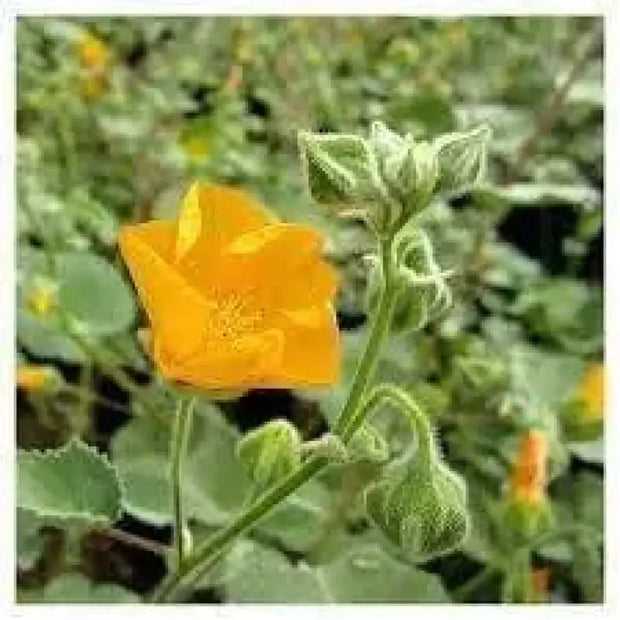
aboli flower seeds Indian Mallow Seeds 2 pack x 100 seeds Abutilon indicum for Garden & LandscapingTL; DR (AI Summary) A 200 seed pack of Indian Mallow (Abutilon indicum), ideal for gardeners seeking easy to grow, colorful blooms that attract pollinators and thrive in various climates. Best for: Home gardeners Best for: Pollinator garden enthusiasts Best for: Container and balcony growers Not suitable for: Indoor only growing without sufficient light Not suitable for: Instant landscaping (requires seed starting) Key Features: Seed Count: 200 seeds
TL;DR (AI Summary)
A 200-seed pack of Indian Mallow (Abutilon indicum), ideal for gardeners seeking easy-to-grow, colorful blooms that attract pollinators and thrive in various climates.
- ✅ Best for: Home gardeners
- ✅ Best for: Pollinator garden enthusiasts
- ✅ Best for: Container and balcony growers
- ❌ Not suitable for: Indoor-only growing without sufficient light
- ❌ Not suitable for: Instant landscaping (requires seed starting)
Key Features:
- Seed Count: 200 seeds (2 packs of 100)
- Plant Type: Abutilon indicum (Indian Mallow)
- Bloom Season: Continuous flowering with deadheading
- Growing Zones: USDA Zones 3-11
- Sun Requirement: Full sun (6+ hours daily)
Indian Mallow Landscaping (Abutilon indicum) produces stunning blooms that transform any garden, balcony, or container into a colorful showpiece. These easy-to-grow flowers are perfect for fresh-cut arrangements, pollinator gardens, and adding natural beauty to your outdoor living spaces.
This variety thrives in USDA zones 3-11 depending on your climate, and adapts beautifully to indoor and outdoor growing. Start from seed for the most rewarding gardening experience — there is nothing quite like nurturing a plant from its very first sprout.
🌱 Step-by-Step Growing Guide
1. Seed Prep and Sowing: Start seeds indoors 6-8 weeks before last frost, or direct sow outside after the last frost date. Some flower seeds benefit from a light overnight soak.
2. Planting and Container Setup: Full sun (6+ hours daily) for best blooming. Works beautifully in containers, window boxes, borders, and raised beds. Use well-draining, moderately fertile soil.
3. Germination and Early Care: Germination typically takes 7-21 days at 65-75F. Keep soil consistently moist but not soggy. Light may help germination for some species.
4. Growth and Maintenance: Deadhead spent blooms regularly to encourage continuous flowering. Fertilize every 4-6 weeks with a bloom-boosting fertilizer. Provide support for taller varieties.
5. Harvesting: Cut flowers in early morning for the longest vase life. Regular cutting encourages more blooms. Allow some flowers to go to seed for next year's garden.
💡 Pro Tips for Every State
- Midwest and Northeast: Start seeds indoors 6-8 weeks before last frost for blooms by early summer. Succession sow for continuous color.
- South and Southwest: Direct sow in early spring for quick establsihment. Many varieties self-seed for years of free flowers.
- Container and Balcony Growers: Window boxes and railing planters create stunning displays. Mix heights and colors for maximum visual impact.
🍳 Easy Recipes and Creative Uses
- Fresh-Cut Arrangements: Cut flowers in the morning and arrange in vases throughout your home for stunning natural beauty
- Dried Flower Crafts: Hang-dry blooms for wreaths, pressed flower art, potpourri, and long-lasting decorative arrangements
- Pollinator Paradise: Attract bees, butterflies, and hummingbirds to your garden — essential for healthy ecosystems and food gardens
📋 Care and Storage
- Store unused seeds in a cool, dry place — sealed container in the fridge extends viability 2-3+ years
- Water consistently — morning watering prevents fungal issues and keeps plants hydrated through the day
- Mulch around plants to retain moisture, suppress weeds, and regulate soil temperature
- Check your USDA hardiness zone at planting time for the best results in your specific region
🧺 Harvesting & Post-Harvest Storage
Timing your harvest correctly maximizes flavor, nutrition, and shelf life. Most leafy greens reach peak quality when harvested in the cool morning hours after dew has evaporated but before afternoon heat causes wilting. Use clean, sharp pruning shears to make precise cuts that heal quickly and reduce disease entry points. For root vegetables, wait until foliage begins to yellow and die back naturally before gently loosening soil with a garden fork. Store harvested produce properly: leafy greens wrapped in damp paper towels inside perforated bags maintain crispness for 7-10 days in the refrigerator crisper drawer at 35-40°F. Root vegetables store best in cool, dark, humid conditions (32-40°F, 90-95% humidity) and can last 3-6 months when properly cured. Preserve surplus harvest through dehydrating, freezing, or fermentation for year-round enjoyment.
🔬 Soil Science & Amendments
Understanding your soil profile is the foundation of successful cultivation. Test soil pH using a simple at-home kit — most garden varieties prefer a range between 6.0 and 7.0 for optimal nutrient uptake. Amend heavy clay soils with perlite, vermiculite, or aged compost to improve drainage and root penetration. Sandy soils benefit from organic matter additions like coconut coir or well-rotted manure to increase water retention. Consider adding mycorrhizal fungi inoculants at planting time to establish beneficial root networks that enhance nutrient absorption by up to 700%. Top-dress with worm castings monthly during the growing season for a gentle, balanced nutrient boost that won't burn tender seedlings.
🐛 Integrated Pest Management (IPM)
Protect your plants using science-backed integrated pest management strategies that minimize environmental impact. Start with physical barriers — row covers, copper tape, and diatomaceous earth create effective first-line defenses against crawling insects and slugs. Introduce beneficial predator insects like ladybugs (consuming up to 5,000 aphids per lifecycle), green lacewings, and parasitic wasps for biological control. Neem oil spray (diluted to 2% concentration) serves as an effective organic intervention for fungal issues and soft-bodied pests. Monitor plants weekly using yellow sticky traps to identify pest pressure early. Companion planting with marigolds, basil, and nasturtiums provides natural chemical deterrence through allelopathic compounds that confuse and repel common garden pests.
Shipping Notes
- Free Standard Shipping on $100+ Orders to the USA.
- Except Preorder products are shipped in 48 hours.
- Delivery to the USA:
- Standard Shipping : 3-10 business days
- If time is of the essence, please consider selecting expedited delivery for faster service.
Exchange/Return Notes
- We offer a 30-day return/exchange service after receiving.
- Final sale items are not eligible for returns or exchanges.
- To process your return/exchange, please contact us at [email protected]
- Please click here for more details>>> Return & Exchange Policy